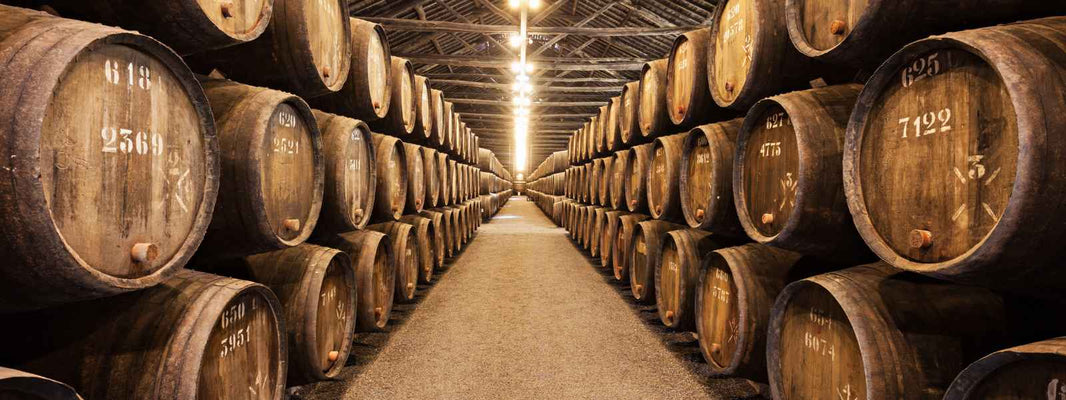
This whisky is aged for 12 years in selected oak barrels, offering a short, dry finish.
Cardhu Distillery is one of the most famous distilleries in Speyside with an impressive history and a whisky that is not only essential to Johnnie Walker blends but also a single malt whisky. Cardhu was the first distillery that John Walker & Sons bought, and Cardhu Single Malt Whisky was one of the six brands that started the Classic Malts Selection, which represented Speyside. The history of Cardhu – which was originally spelled Cardow – is closely linked to the story of two women: Helen and Elisabeth Cummings. Helen and her husband John Cummings ran a farm in Cardow in the late 18th/early 19th century. It is known that in 1816, John was convicted three times for distilling without an official license. Distilling on small plots of land was common for farmers at that time, and almost no one cared about licenses. The righteous could not afford them. In Cardow, it wasn't John, but his wife, Helen, who distilled and who had an eye for when excise officials were approaching, warning the neighborhood farmers by putting up a red flag. Helen not only distilled for her own needs, she also sold whiskey from her kitchen window, it is said. In 1824, the Cummings bought a distilling license after the Exise Act of 1823 reduced rights. They bought new pictures and, initially, George Smith, later founder of Glenlivet, helped sell and distribute the whiskey. After John died in 1846, his wife Helen and son Lewis continued to run the Cardow Distillery. The distillery and farm were officially passed on to Lewis, and in the following years he employed a brewer and a maltman. When Lewis passed away in 1872, his wife, Elisabeth, supported by her mother-in-law Helen and their two young sons, continued to operate the distillery. Recognizing the existing demand for whisky, Elisabeth bought new land not far from the previous farm and built a new Cardow distillery using the same water sources. Now, it could produce three times as much whisky. In 1893, Elisabeth made a very important decision: she sold Cardow to John Walker & Sons for £20,500 and secured her family shares in the Walker company. She died a year later and did not have a chance to see the success of her wise decision: under the shield of the large company, Cardow could withstand the difficult times caused by the whisky market crash of 1898. In 1899, the number of Cardow stills doubled, and the distillery was connected to the railway company by purchasing a new line. Distillers Company Ltd, now Diageo, acquired the distillery in 1930. In 1960, reconstruction and expansion followed the growing demand for whisky in the post-war era. In 1965, the word "Cardhu" became a registered trademark and the brand was used to market the whisky as a single malt. In 1981, the distillery's name was also changed from Cardow to Cardhu – a slightly different spelling of the original Gaelic word meaning "black rock".